Friday 27 March
Day 2
Morning Programme
07:45
Dome Foyer
Registration Open
Registration & Welcome
When you arrive, please make your way to the registration desk to collect your badge. Our team will be on hand to help you get checked in quickly and smoothly.
If you were here for Day One, there is no need to register again.
08:00 - 09:10
Corn Exchange & Main Foyer
Exhibition, Art Gallery and poster viewing, registration tea and coffee
08:00 - 09:00
Founders Room
Symposium – Doing the impossible: teaching palliative care in conflict zones
Dr Mursheda Chowdhury, Dr Anna Cleminson, Dr Alice Gray, Dr Mhoira Leng, Dr Hasan Saleh, Dr Khamis Elessi
Session Chair: Dr Fran Hakkak
About this session
Meet the speakers
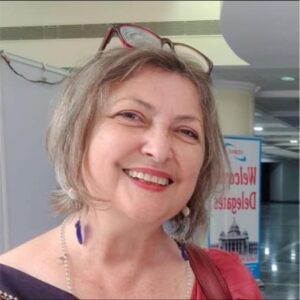 Dr Mhoira Leng: Scottish specialist palliative care physician. Working in partnership for over 30 years in 4 continents including UK, India, Africa and the Arab world to build capacity and tomorrow’s leaders through developing integrated palliative care models, building evidence-based practise and research capacity, demonstrating values-based changes within curriculum development, delivery and mentorship; transformational working in partnership with excluded and marginalised people including humanitarian settings. Honoured to work with IUG and MOH hospitals in Gaza over 10 years in undergraduate and postgraduate education and clinical service development.
 Dr Anna Cleminson is a Consultant in Palliative Medicine working in North West Hospice, Sligo. She has a strong interest in global palliative care education and research and is currently undertaking a PhD with Lancaster University. As part of international multidisciplinary teams working alongside local Healthcare providers, she has supported shared learning and capacity building in palliative care in Uganda, Ethiopia, Russia and Palestine, providing education both in person and virtually to undergraduate and postgraduate healthcare professionals.
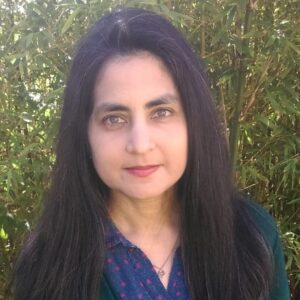 Dr Mursheda Chowdhury: I qualified as a doctor from St George’s Hospital Medical School, London in 1995. After gaining my MRCP in 2003, I worked as a Staff Grade Doctor in Palliative Medicine, and was later appointed an Associate Specialist at St Michael’s Hospice, Hastings in 2009, where I was the Medical Director from 2013 – 2019. I am an accredited RCP Educator, and Educational Supervisor. Since August 2019, I have had a portfolio career – I’ve taken my interest in Medical Education further by completing a Post Graduate Certificate in Medical Education at Brighton & Sussex Medical School in 2020, where I am a Personal Tutor, Visiting Lecturer and OSCE examiner. I am also a Medical Appraiser at East Sussex Healthcare NHS Trust. Since 2024, I’ve been mentoring a medical student in the Palestine Occupied Territories (West Bank) through The Hanoon Foundation, and supporting medical students from Gaza through various initiatives, including the PalMed Academy’s Gaza Educate Medics scheme and Doctors of Rahman G-Hope Project.
 Dr Alice Gray: I am a palliative care registrar based in the West Midlands. Since medical school I have had an interest in International Palliative Care and have taken time out of UK training to learn more in nations such as Uganda, Nepal and parts of the Middle East. I have also had the privilege of working with IUG and MOH hospitals in Gaza and the West Bank through the charity, Cairdeas, supporting curriculum design and teaching both in person and online over several years.
08:00 - 09:00
Studio Theatre
PCRS Research Masterclass: Platform Poster Session – for Early Career Researchers
Rachel Campbell, Madeline Hawkes, Tw-Hsun Hung, Arjun Kingdon, Anne-Marie Raftery, Justine Richbell, Chloe Tuck
Session Chair: Dr Sarah Bowers
About this session
The PCRS Platform Poster Session allows the opportunity for early career researchers to showcase their poster, via a short oral presentation. The PCRS has chosen a selection of accepted poster presenters to contribute to the session, with each to have 3 minutes to provide a short summary of the work, followed by 2 minutes of questions. This is an additional opportunity for early career researchers to showcase their work and network with each other. There will also be audience participation for questions and a certificate for the best overall presentation within the session.
10-minute move time
09:10 - 09:55
Concert Hall
Plenary Remembering Ourselves: Reflective Arts and Trauma-Informed Practice with Asylum Seekers at the Margins of Hospice Care
Loren Seaman
Session Chair: Dr Guy Schofield
About this session
The Community Action Team (CAT) at St Christopher’s Hospice was created to ‘demedicalise death’, tackle inequalities, and bridge underrepresented communities to hospice care. Our approach intentionally redistributes resources, building trust and engaging community members long before a clinical referral to the hospice.
This symposium shares learning from Remembering Ourselves, a 10-week reflective arts-based project with asylum seekers at the Southwark Day Centre for Asylum Seekers. Through clay, colour, and the symbolic act of breaking and remaking tiles, participants explored grief, loss, identity, and belonging. Sessions were shaped by trauma-informed and decolonial methods: colour as an accessible entry point, ritual as a tool for meaning-making, and grounding for nervous system regulation. Engaging the ‘carnivalesque’, the project culminated in a community-wide celebration and showcase of the artworks.
Situated within CAT’s mission, the project reflects how arts-based, community-rooted practice can help build trust within underrepresented communities and begin the process of dismantling barriers to end-of-life care. Our work prioritised process—safety, group cohesion, trust-building—over polished outcomes, modelling how hospices can build relationships and learn from communities’ lived experience, helping lay pathways for more equitable access to palliative care in the future.
In this 60-minute session, we will present our process—including relationship building, facilitation methods, and lessons learned—and offer participants a short experiential exercise drawn from the workshops themselves. This will be followed by guided reflection and discussion, inviting participants to consider how community-rooted, arts-based practices can be adapted within their own palliative and end-of-life care contexts.
Meet the speaker
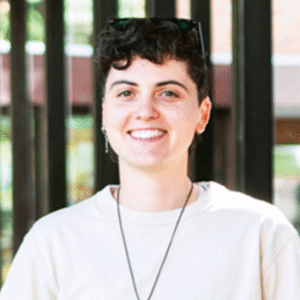 Loren Seaman: Loren Seaman (they/them) is a Community Learning Facilitator at St Christopher’s Hospice. They are drawn to questions about how we care for one another, our collective rituals and rites of passage, and our relationship to the natural world. With a professional background in higher education, Loren has shifted from traditional education towards socially engaged, experiential learning—working through community grief tending, creative facilitation, and collective forms of reflection and meaning-making.
09:55 - 10:15
Concert Hall
Free Paper 12 Using mise en place photography, through location selection, the deliberate arrangement of objects and symbolic elements to convey patients’ stories in a dignified and emotionally engaging way
Ceridwen Hughes
Session Chair: Dr Guy Schofield
10-minute move time
10:25 - 11:25
Concert Hall
Symposium Creating careers in clinical leadership for modern palliative care: A workshop to consider the art of the possible
Charlotte Rock, Dr Suzanne Kite, Dr Debbie Talbot
Session Chairs: Dr Sarah Mitchell and Dr Gurpreet Gupta
About this session
Workshop plan: The symposium will begin with short presentations from the facilitators to share their leadership career experiences to date, including motivation and impact. Each facilitator will share insights into challenges and opportunities, and how they have navigated these. A workshop will follow, during which participants will be invited to reflect on their current leadership roles and ambitions. They will be asked to share experiences of barriers to clinical leadership in small groups, and each group will nominate a spokesperson to contribute to the wider group discussion.
The following questions will enable personal reflection and guide discussion:
1. What has your leadership journey been so far?
2. What have the challenges and barriers been?
3. What are the specific leadership challenges for you / for modern palliative care?
4. How can we improve opportunity and support for future clinical leadership in palliative care?
The facilitators will use (1) coaching techniques and (2) the Faculty of Medical Leadership and Management Standards to guide discussion, so that participants can consider navigating barriers differently in their own career, to develop clinical leadership for modern palliative care, and ultimately improve patient care.
Outputs: Personal reflections that can be included in appraisal
New insights and shared understanding of challenges in clinical leadership, and how to create opportunity for development.
Knowledge of the FMLM opportunities.
A proposal for future learning events and networks to be taken forward by NHS England and the National Ambitions Partnership for Palliative Care and End-of-Life Care.
Meet the speakers
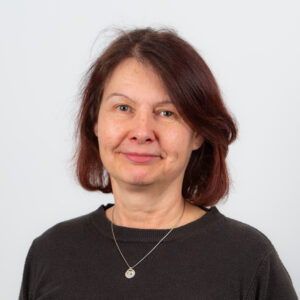 Dr Suzanne Kite: Suzanne is the President of the Association for Palliative Medicine, and was appointed to this role in March 2025 following two years as Vice President. Suzanne trained in Yorkshire and London before taking up a new Palliative Medicine consultant post at Leeds Teaching Hospitals in 2000, becoming clinical lead in 2007. Early interests and involvement in APM medical education, ethics and professional development evolved into leadership roles, locally, regionally and nationally. Quality improvement, collaborative multiprofessional working, and empowering clinical teams underpin all of these, and embedding best possible palliative care for all across a large acute trust based on several sites has been one of her greatest and most rewarding challenges. She has also contributed to, and witnessed, the progress that can be achieved in the quality and access to palliative care services across a locality through steady, sustained partnership working between service providers, service users and commissioners. Leading local nationally funded pilots, including EPaCCS, has been hugely beneficial in developing this approach. Suzanne was Regional Palliative and Palliative & EoLC Clinical co-lead for the Yorkshire & the Humber for 5 years from 2014, where she championed multiprofessional leadership, building networks, developing leaders, co-production, and sharing good practice. As co-clinical lead, with a senior nursing colleague, for the National Audit for Care at the End of Life from 2017-22 she furthered quality improvement and benchmarking of care of the dying in hospitals. She feels very fortunate to have chosen such an amazing specialty, to have a really rewarding and varied career, and to work with such excellent palliative care people.
Her current priorities include:
• Championing equity, diversity and inclusion
• Promoting a listening culture, developing the conversation on key topics including assisted dying; workforce; funding, and the future of multiprofessional palliative care
• Encouraging member engagement
• Supporting the development of members throughout their careers
• Developing and championing clinical leaders
• Effective collaboration at national level to develop the evidence-base and to ensure: clinical leadership of high quality palliative care services for all across all settings; sustainable workforce, and funding
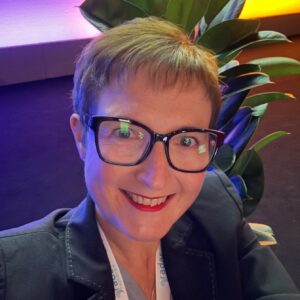 Dr Debbie Talbot: Debbie qualified from the University of Birmingham in 1998. After speciality training in the West Midlands, she became a Consultant in Palliative Medicine in 2009 and took up post as Hospice Medical Director in 2012. She spent 12 years as a Medical Director, before returning to Hospital based clinical practice in 2025. Since May 2021, Debbie has also been the NHSE Midlands regional clinical lead for Palliative Care and End of Life Care. As part of her MSc in Healthcare Policy and Management (University of Birmingham) she researched post-merger cultural integration in the Hospice sector. Debbie has a busy family life as a mother to two boys a retired greyhound and rescued chickens! In any spare time, she enjoys trips out in her vintage camper, growing her own vegetables and crochet.
 Dr Sarah Mitchell: Sarah is a Deep End GP in Sheffield, serving a diverse population in a socioeconomically deprived area. Motivated by clinical experiences, Sarah has a portfolio that crosses clinical practice, research, and policy, as Associate Professor of Palliative Care at the University of Leeds and National Clinical Director for Palliative Care and End-of-Life Care at NHS England. She is an active clinical academic with interests in palliative care, end-of-life care, children’s palliative care integration and inequalities. Her research focuses on patient and family experiences and has led to practice- and policy-relevant recommendations. Sarah was an NIHR Doctoral Research Fellow at the University of Warwick, awarded a Churchill Fellowship in 2020, and received the RCGP/SAPC Yvonne Carter Award for Outstanding Early Career Researcher. Sarah is the Clinical Lead for the Leeds Deep End Research Alliance and a co-applicant on the NIHR Policy Research Unit for palliative and end-of-life care.
10:25 - 11:25
Studio Theatre

VIATRIS Sponsored Symposium: Relief Without Compromise: Tackling Opioid-Induced Constipation
Jo Thompson
Session Chair: Dr Sarah Bowers
About this session
This symposium will outline the key features of opioid induced constipation (OIC), including what it is, how often it occurs, and how it is identified in clinical practice. It will summarise recognised approaches to assessing symptoms and use brief clinical examples to show how OIC affects patients. Management options will be reviewed, including the role of peripherally acting µ opioid receptor antagonists (PAMORAs) in current practice. The session will end with practical points to support consistent recognition and management of OIC in routine care.
Meet the speaker
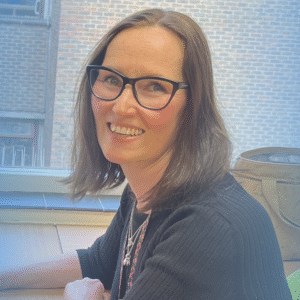 Jo Thompson is a Nurse Consultant and Clinical Director for Supportive & Palliative Care at the Royal Surrey Foundation Trust. She has extensive experience across hospice, community, and acute hospital settings, with a career focused on improving the quality of supportive, palliative, and end of life care. In her current role, she leads service development and continuous improvement across the Trust. Her specialist interests include strengthening supportive care pathways and advancing the integration of supportive care within oncology.
10:25 - 11:25
Old Courtroom
The importance of asking about Eye Donation – why it matters for our patients BT Session
Emma Winstanley, Elisabeth Partridge, Chelsea Lawrie, Dr Francis O'Hanlon, Dr Tariq Husain
Session Chair: Dr Becky Ogundele
About this session
Data shows that patients want us to speak to them about eye donation and this should be a standard part of our ACP discussions with eligible patients, but barriers persist and the topic can feel daunting to approach. By not establishing a patient’s wishes, we may inadvertently impair their autonomy, rather than empowering it. Presented by NHS Blood and Transplant and St John’s Hospice, this discussion will explore why eye donation matters and how to get the conversation started.
10:25 - 11:25
Founders Room
Free Papers 13-15 Ethics
David Wenzel, Lily Gryspeerdt and Jeff O’Loughlin
Session Chair: Dr Andrew Thorns
About this session
|
13 |
It’s Hard to Stop: An Ethnographic Exploration of Treatment Momentum at the End of Life |
David Wenzel |
|
14 |
What About Hope? The Ethics of Truth and Hopefulness in Palliative Care |
Lily Gryspeerdt |
|
15 |
A Stage-Based Framework for Psychosocial Care in Assisted Dying |
Jeff O’Loughlin |
11:25 - 12:00
Corn Exchange and Main Foyer
Morning Break, Exhibition and Poster Viewing
Make the Most of Your Breaks!
Take a moment to explore our exhibition space, art gallery, and poster displays. It’s a great opportunity to discover new ideas, connect with creators, and be inspired by the innovation and creativity across our community. We encourage you to browse, engage, and enjoy everything on show throughout the day.
12:00 - 13:00
Concert Hall
Hot topics in palliative pharmacotherapy
Dr Paul Howard
Session Chair: Dr Gurpreet Gupta
About this session
Meet the speaker
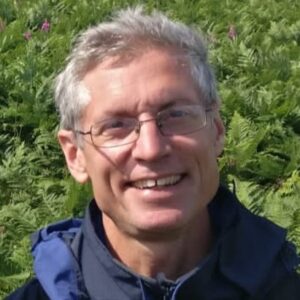 Paul Howard is a Consultant in Palliative Medicine at Mountbatten Hospice on the Isle of Wight. He trained in general then palliative medicine in the East Midlands. He has a strong interest in therapeutics and medicines optimisation. For the Palliative Care Formulary, he edits the neuropharmacology sections, including adjuvant analgesia, antidepressants, antiepileptics, antipsychotics, psychostimulants, cannabinoids, and benzodiazepines. In his clinical practice, his interests include improving care for crises and ‘unplanned dying’ and the management of opioid-poorly responsive pain.
12:00 - 13:00
Studio Theatre
Using the past to support future generations to talk about death dying bereavement and loss
Professor Karina Croucher
Session Chair: Dr Fran Hakkak
About this session
Using the past to support future generations to talk about death dying bereavement and loss
What’s archaeology got to do with palliative care?
In this session, we explore the value of using the past as a valuable way to open dialogue and discussion, challenge biases, and get people talking about death, dying, bereavement and loss – which, as we all know, is vital, for wellbeing, future care planning, and for supporting the bereaved when the inevitable happens.
Initially, the Continuing Bonds (with Prof Christina Faull and Dr Laura Green) project demonstrated the value of the using archaeology (examples from through time) and ethnography (examples from across the world) to open conversation and challenge what we think of as right or ‘normal’ around grief and caring for the dead. The past can be a useful tool for this, as it is distanced yet often fascinating, acting as a gateway to then talking about more personal experiences.
Drawing on this, the Dying to Talk project (with Dr Eleanor Bryant and Dr Aoife Sutton-Butler) took the lessons learned and used archaeology/ethnography to co-create resources with and for young people in secondary schools. Archaeology was a route to empower our young ambassadors, giving them the confidence and language to co-create creative activities that would engage other young people to explore the topic of death in a safe and supported way in Festivals of the Dead.
Our latest project, Lost and Found: Bereavement, archaeology, creativity, (with Prof Melanie Giles and Dr Aoife Sutton-Butler) now works with primary schools to use archaeology and creativity, to engage our primary learners in talking about death and celebrating life, where we are developing a resource for primary schools and teachers to facilitate their teaching of the topic, and we recently ran Bradford’s first public Festival of Dead, as a space to remember and celebrate those who have gone before us.
The combined work uses the past to bring about future social change, and we are striving towards a model for Compassionate Communities in Schools.
The session will give an overview of this work – with the option of some hands-on creativity while you listen. We’d also love to hear your thoughts on future directions for this work.
Meet the speakers
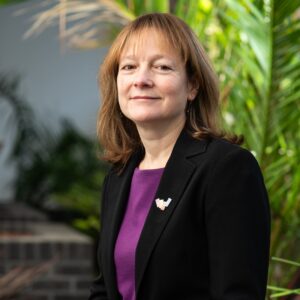 Professor Karina Croucher: Expertise: Death and dying; especially in Neolithic Near-East; pedagogy related to archaeological practise; archaeology and culture; equality, diversity and inclusion. A significant part of Karina’s work looks at what archaeology and heritage can tell us about the relationship between the living and the dead… the present and the past, and how this nexus can be used to improve resilience, mental health and wellbeing. An example of this is the Dying to Talk project which used archaeology to encourage young people to talk about death, dying and bereavement, breaking down taboos and building resilience. Karina has published numerous academic papers and several books, including Death and Dying in the Neolithic Near-East, published in 2012 by Oxford University Press. She also co-authored Assembling Archaeology: Teaching, Practice, and Research, with Hannah Cobb, Professor of Archaeology and Pedagogy, which promotes a radical rethinking of the relationship between teaching, research and archaeological practice, that challenges existing hierarchies and breaks down barriers in higher education and beyond. Karina is an ardent advocate of equality, diversity and inclusion, a commitment which is borne out in her teaching, research and leadership. She is co-lead of our Culture and Identity Research Group here at the University, Director of Research for ‘Health, Society, People and Place’ in the Faculty of Life Sciences, and is our academic lead for Bradford 2025 City of Culture.
12:00 - 13:00
Old Courtroom
Free Papers 16-18 Art of Possibility
Craig Geoff Howes & Barbara Matthews, Michele Aaron, Nga Chee Tristan Chan, Grace Morgan, Charlotte Orton & Maela Amin
Session Chair: Dr Lizzie Page
About this session
| 16 | Innovating Palliative Care Through Conceptual Disruption and Virtual Practice | Craig Geoff Howes Barbara Matthews |
| 17 | ‘Queer Life:Moving’ Using Film to change perceptions of End of Life experience and care | Michele Aaron |
| 18 | Creating Meaning in the Moment: Single-Session Art Therapy as an Organic Space for Connection in a Hospice In-Patient Unit |
Tristan Chan |
12:00 - 13:00
Founders Room
Workshop Crafting the call: a systematic method to inspire collective action around common goals and shared interests
Dr Guy Peryer
Session Chair: Helena Talbot-Rice
About this session
This interactive workshop explores the creative and relational art of invitation—an often-overlooked first step in mobilising collective action. More than a meeting request, a well-crafted invitation can spark purpose, curiosity, and agency. In palliative care, demographic change and financial pressures are creating challenges of demand, workforce, and caseloads which requires new ways of working, including inspiring collective action.
Modelled on the Art of Invitation, this workshop offers a method for clinicians to activate community partners and interdisciplinary colleagues. Poorly framed invitations are easily ignored, while strong ones generate shared purpose and reduce fear. Participants will learn strategies they can apply immediately – whether inviting patients to self-management workshops, engaging colleagues in QI projects, or involving community partners in service design. Please come with an event or meeting in mind for which you would like to craft an invitation.
Meet the speaker
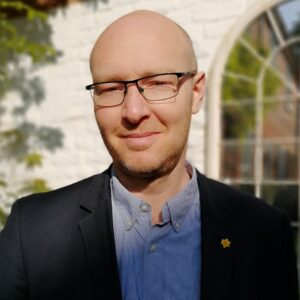 Dr Guy Peryer is Director of Education and Research at St Christopher’s Hospice in South London. Guy is a chartered psychologist and a chartered scientist. He studied the psychology of music for his master’s degree and went on to complete a PhD in applied psychology and complex systems. Guy was awarded an advanced knowledge mobilisation fellowship by the National Institute for Health and Care Research that finishes in 2027. This work aims to mobilise death literacy knowledge across non-clinical community networks.
13:00 - 14:15
Corn Exchange and Main Foyer
Lunch, Exhibition and Poster Viewing
Make the Most of Your Breaks!
Take a moment to explore our exhibition space, art gallery, and poster displays. It’s a great opportunity to discover new ideas, connect with creators, and be inspired by the innovation and creativity across our community. We encourage you to browse, engage, and enjoy everything on show throughout the day.
Lunchtime Meetings
13:15 - 14:00
Founders Room
APM Trainees Committee
13:15 - 14:00
Studio Theatre
APM SAS Committee
Everyone is welcome to attend
Day 2
Afternoon Programme
14:15 - 15:05
Concert Hall
Afternoon Plenary – Assisted Dying Updates with the APM Board
Dr Natasha Wiggins, Dr Suzanne Kite, Dr Becky Ogundele, and Dr Andrew Thorns
Session Chair: Dr Sarah Cox
About this session
This session will be chaired by Dr Sarah Cox
Agenda
- An update on the TIA bill – Natasha Wiggins
- What the APM has been doing – Dr Suzanne Kite
- Views of SPC Specialist Registrars – Dr Becky Ogundele
- Ethical issues – Dr Andrew Thorns
- Panel discussion with all speakers
15:05 - 15:15
Concert Hall
Official Close of Congress
Dr Sarah Bowers & Dr Gurpreet Gupta
10-minute move time
15:25 - 16:25
Studio Theatre
Clinical ECHO Live
Dr Matt Doré & Professor Max Watson
Session Chair: Dr Matthew Doré
Meet the speakers
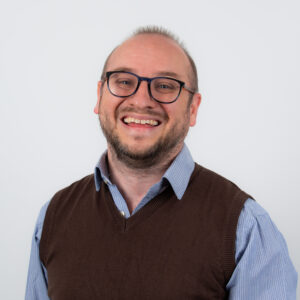 Dr Matt Doré – Who is he? A question pondered by many, including himself. A genuine doctor, he initially dabbled in renal and immunology before finding his calling in palliative care training in the West Midlands. Sporting a near-bald head, he blames stress on his 10-year-old twins and feral 6-year-old child. His patient wife, Sharon, brought him to Northern Ireland, where he’s grown quite fond of the place. He enjoys reading, writing, and solitude, though peace and quiet seem elusive. As pasta boils over and piano practice and Mario Kart fill the air, he finds solace in whisky. Proud of his accomplishments, such as making a top-notch chicken pie, chairing the PCC, co-leading the clinical ECHO, participating in ethics committees, and occasionally writing useful articles, he mainly cherishes that chicken pie. As Honorary Secretary, he wonders what could possibly go wrong.
 Professor Max Watson is a Palliative Care Consultant in Omagh Northern Ireland. In addition half of his working week is with Regulation and Quality Improvement Authority (RQIA) in Belfast. Max has a passion for generalist palliative care education and research, using innovative technology to create communities of practice to improve end of life care in underserved communities. Influenced by experience of working in rural Nepal for eight years Max has developed a range of educational programmes and handbooks, including the Oxford Handbook of Palliative Care and the European Certificate in Essential Palliative Care, and Palliative Care Ultrasound with the goal of “democratizing” specialist knowledge. Since 2002 these programmes have been completed by more than 20,000 Doctors and Nurses in the UK, Ireland and internationally. As Director of Project ECHO with Hospice UK and now with RQIA Max is leading the spread of ECHO methodology across the UK building communities of practice on-line. Recently Max has been involved with the development of a four year Integrated Care Fellowship programme for training consultant Palliatricians in rural Northern Ireland.
15:25 - 16:25
Old Courtroom
2025 National Audit of Care at the End of Life: The results
Dr Rosie Bronnert & Dr Mary Miller
Session Chair: Dr Ebun Abarshi
About this session
Join us to hear an overview of the results from NACEL 2025 (National Audit of Care at the End of Life). HQIP and NHSE have given permission to discuss the results with you at Congress, 4 months in advance of the publication of the State of the Nations report. This is a rare opportunity to see and discuss the data shortly after the audit closes, at the end of February 2026.
Hospitals submitting their data to NACEL are always able to see their individual results compared to the other hospitals. Rosie and I will discuss the key findings at a national level so you can focus your reports and QI plans against the national picture.
This is also an opportunity to ask questions and offer suggestions about your audit.
15:25 - 16:25
Founders Room
Workshop – Modern Palliative Care will be Environmentally Sustainable: but how do we get there?
Dr Kate Crossland
Session Chair: Dr Sarah Bowers
About this session
Modern Palliative Care must be environmentally sustainable, as well as financially viable. In this session you’ll hear feedback from palliative care organisations who have been taking part in the Greener Palliative Care Award pilot scheme. We’ll share their creative and inspiring solutions to the challenges of ‘greening’ infrastructure, clinical care, procurement and prescribing (and that’s just a start). There will be an interactive element to allow you some space to think about how to progress in your organisation, and you’ll hear about opportunities to get involved with the Greener Palliative Care Award as it expands.
Meet the speaker
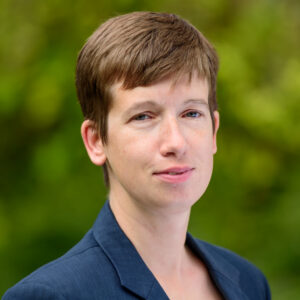 Kate is a community palliative care doctor, currently working within the NHS but with over a decade of experience in the hospice sector. Kate is one of the founding members of the Palliative Care Sustainability Network and is co-leading on the Greener Palliative Care Award scheme. Outside her medical career, Kate works across a number of sectors to drive forward climate action. She lives in West London and has recently been getting very excited about her new solar set-up.
Close of Congress